

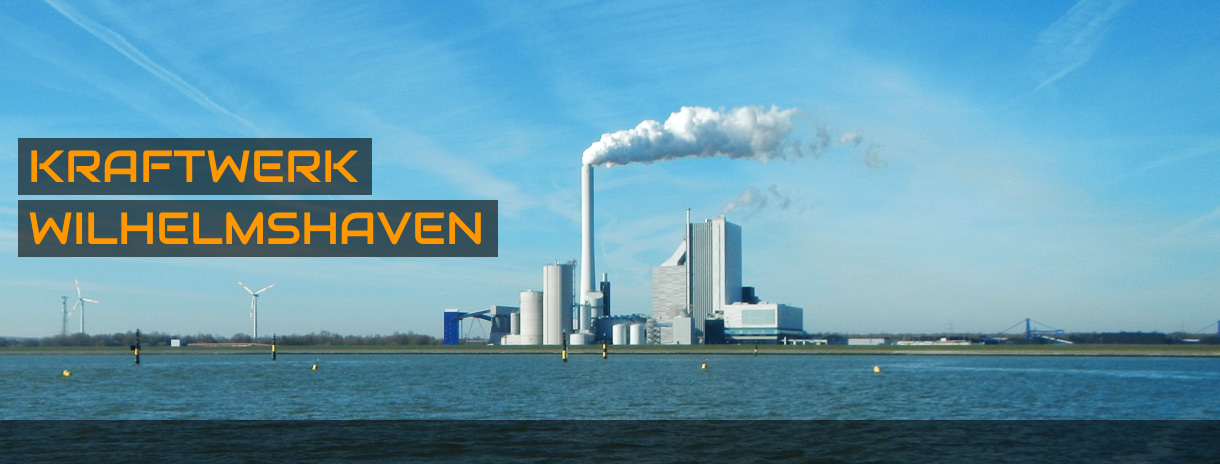
Development and implementation of a temperature and pollutant monitoring program for preservation of maritime evidence as part of the approval procedure the construction of a coal-fired power plant in Wilhelmshaven
Zeitraum:
- 2008 – 2010: Concept development
- 2010 – 2011: Execution of the reference measurements
- 2015 – 2018:Execution of the measurements after commissioning
- 2018: Evaluation of the result
- 2019: Submission of the final report
Client:
- Electrabel Kraftwerk Wilhelmshaven GmbH & Co. KG
- GDF SUEZ Energie Deutschland AG
- ENGIE Deutschland AG


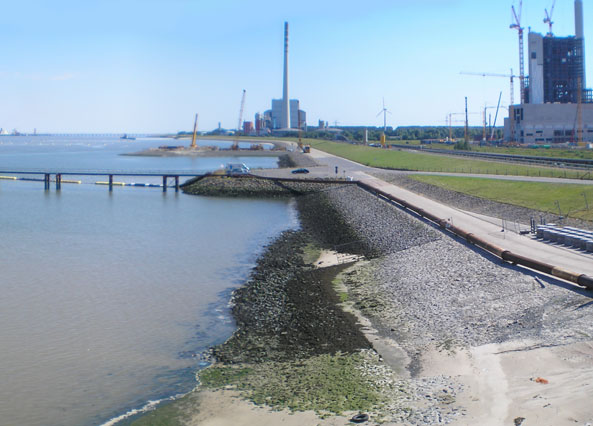
For the approval procedure for construction and operation of a coal-fired power plant, among other things a permit per Water Law under § 7 of the Water Resources Act was required for the discharge of cooling water, filter belt hosing water, rainwater and treated process water. For this permit, impact forecasts were conducted and the construction- and operation-related effects on environment were evaluated. These evaluations were then to be validated by a preservation of evidence program. The essential parameters of the preservation of evidence were development of water temperatures in the discharge area of the heated cooling water as well as related pollution of the water body and of surrounding sediments.
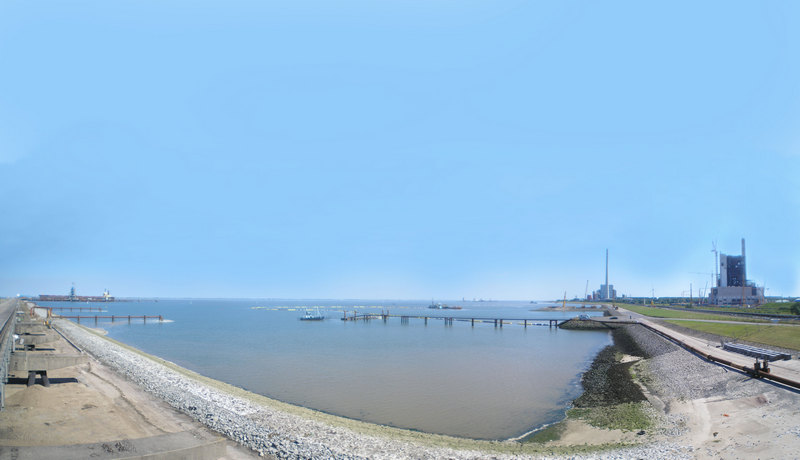
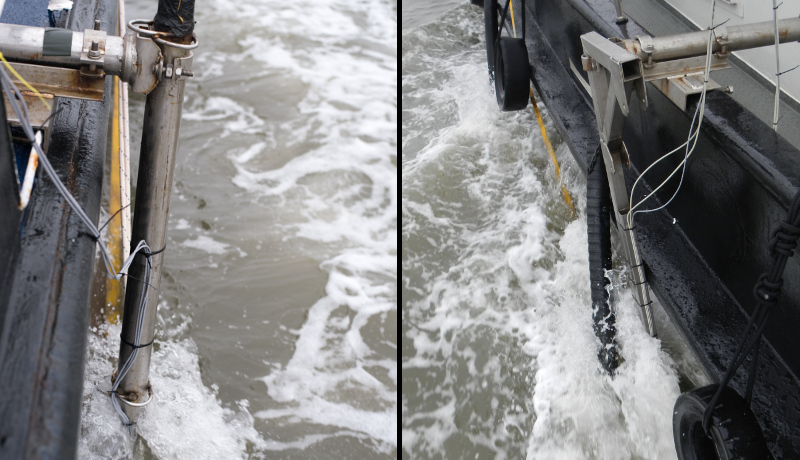
IMP developed the associated preservation of evidence concept for recording the temperature plume in the vicinity of the cooling water discharge and for the sampling concept to record pollutant load in the water body and in new sediments. The preservation of evidence measurements were designed according to the so-called BACI-concept (Before / After / Control / Impact). The special challenges were firstly the existing background exposure by a coal-fired power plant dating back to the 70’s in immediate proximity and secondly the practical implementation of defined requirements for such measurements in the highly variable water body of the estuary.
After that, IMP was also employed to execute the developed preservation of evidence program.
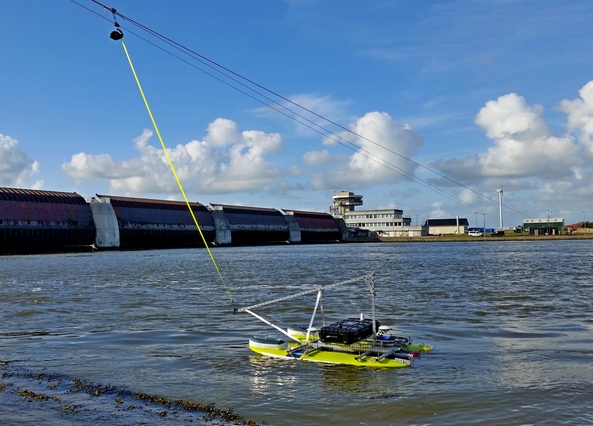
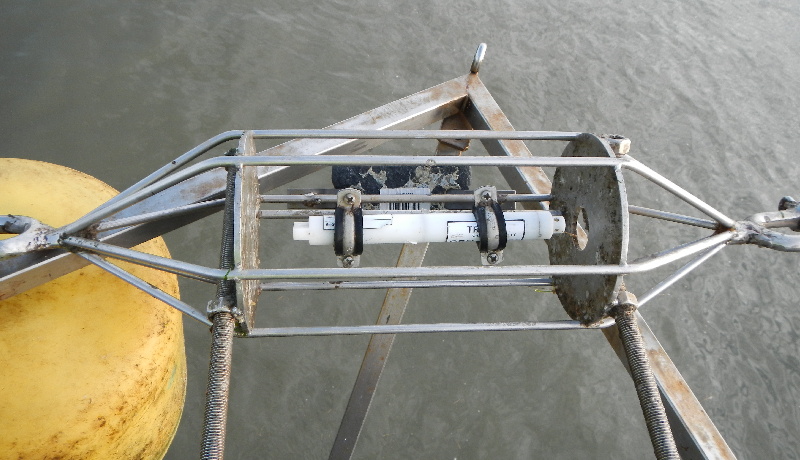
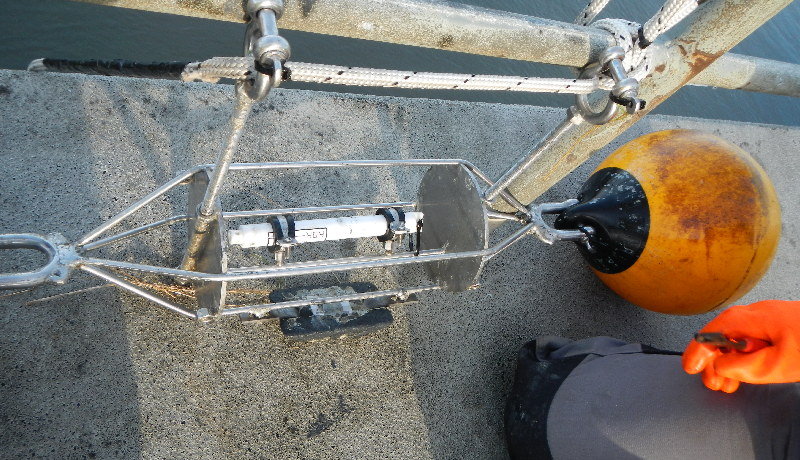
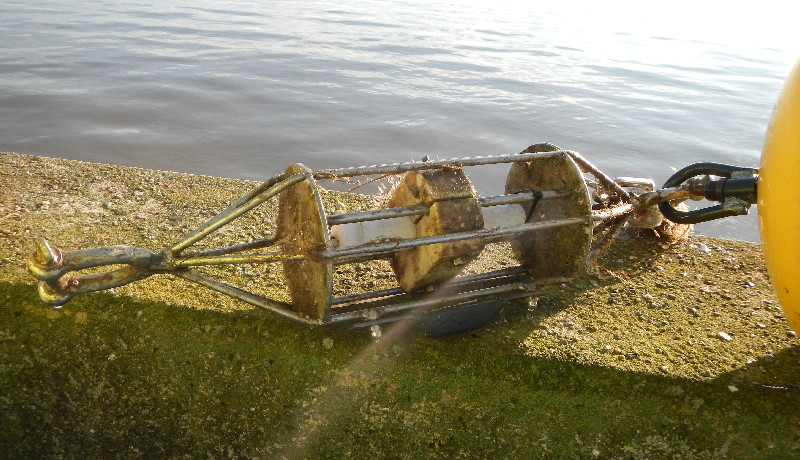
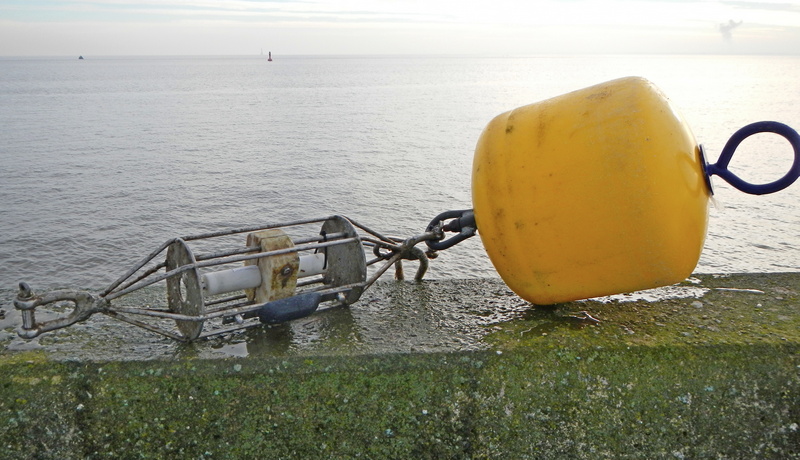
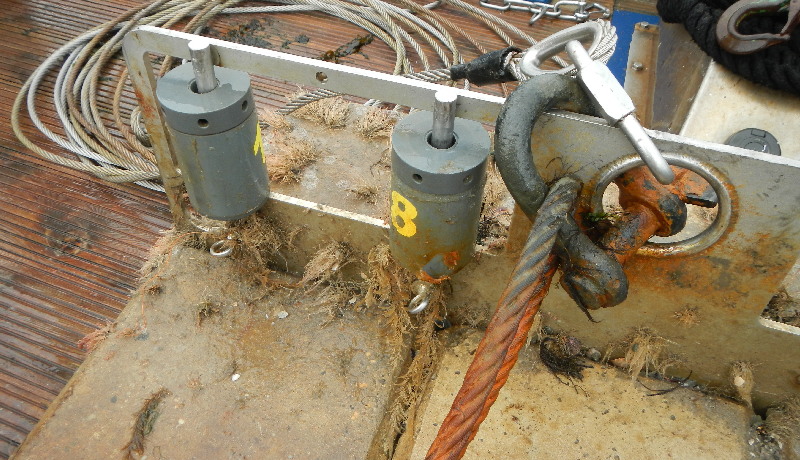
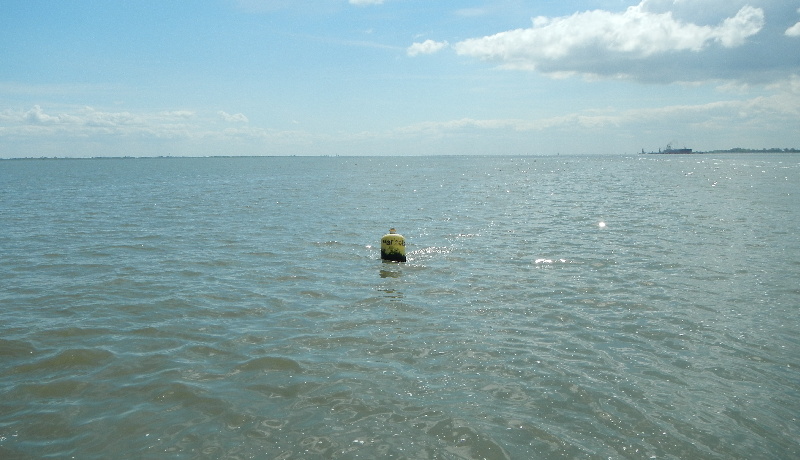
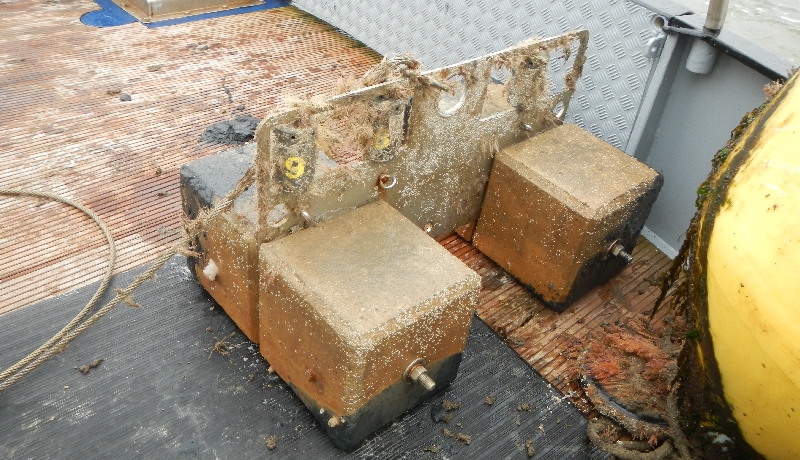
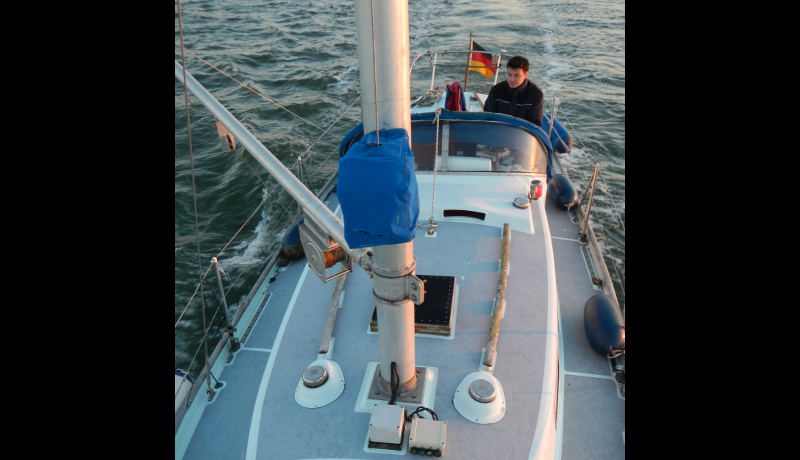
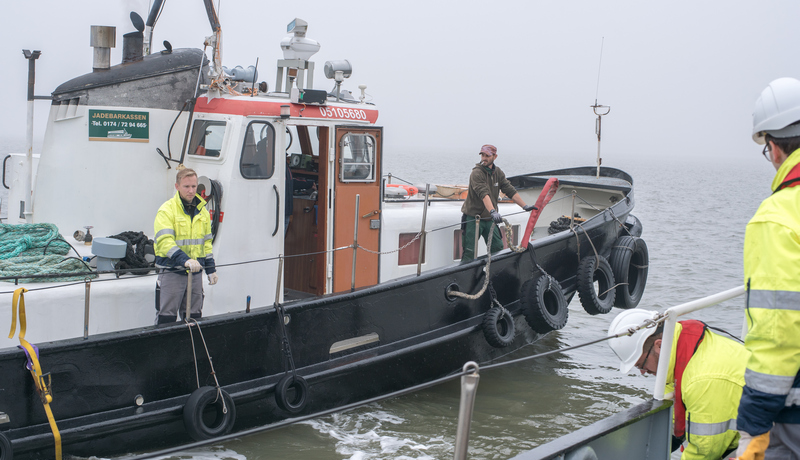
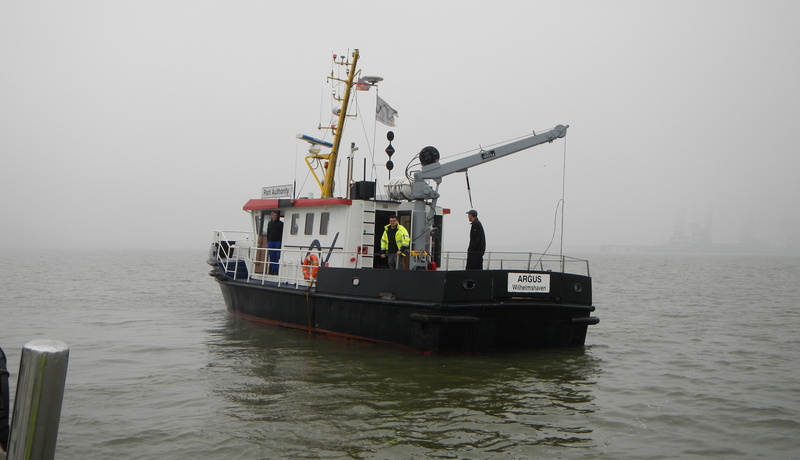
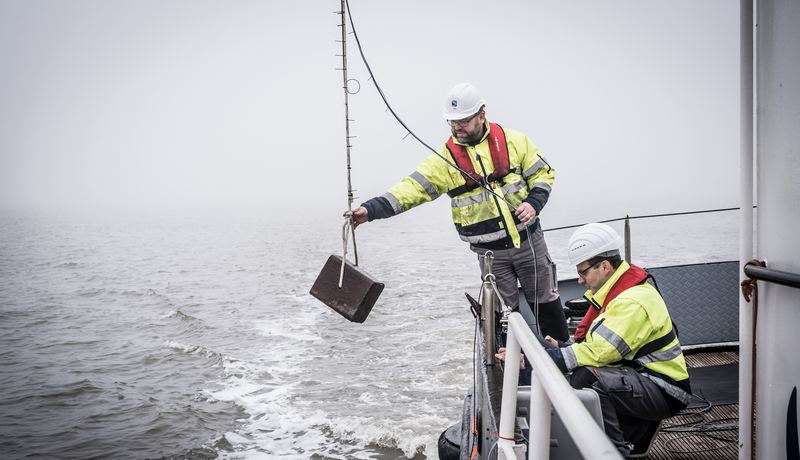
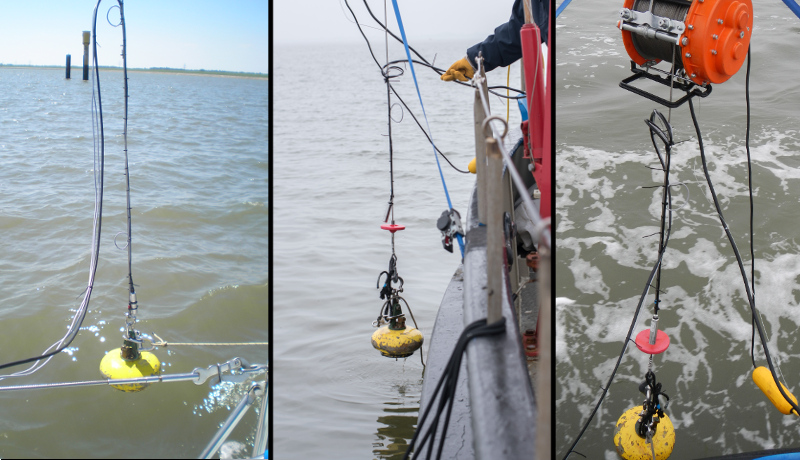
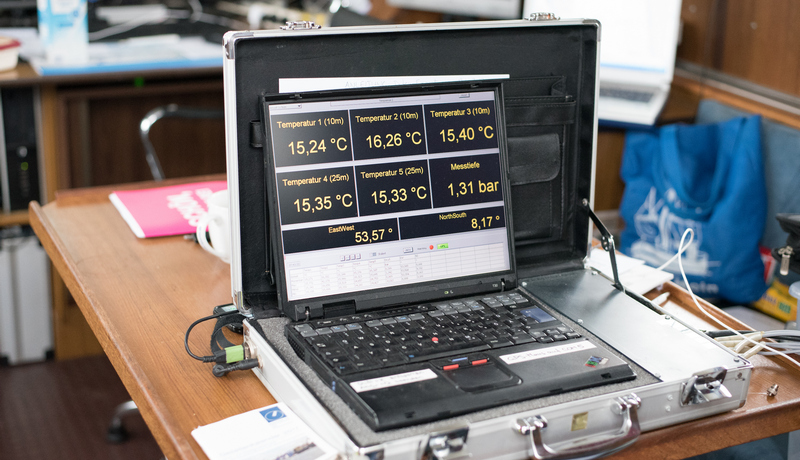
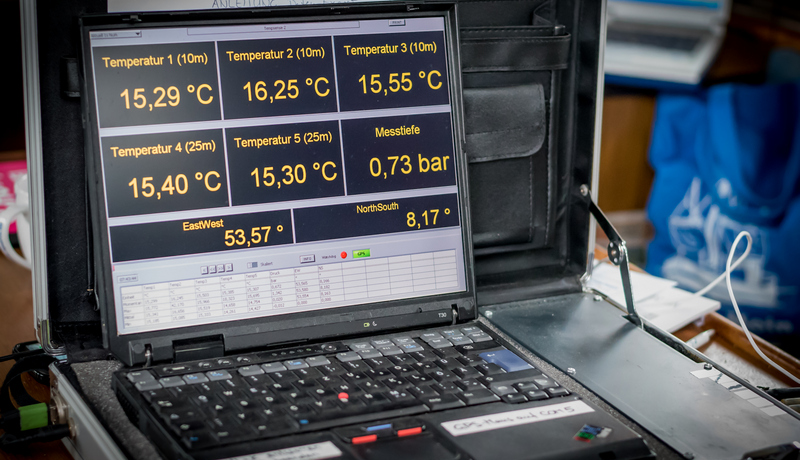
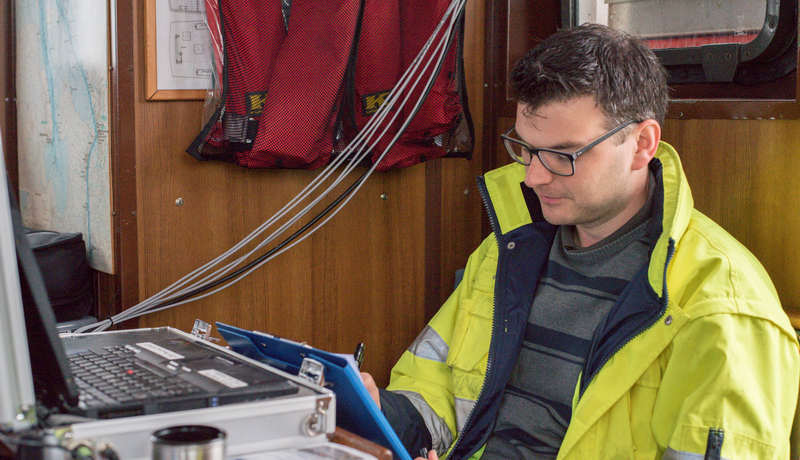
Before the power plant was built, reference measurements consisting of continuous measurements of water temperature were conducted and then evaluated at six positions and two reference points over the period of one year. During the same period, water temperature profiles were repeatedly measured over one whole tidal period to map the area of the discharge plume and the temperature spread. Another task was to take samples of new sediments in several surveys, each over roughly four weeks, in order to determine heavy metal contamination. Beyond this, water samples were regularly collected at defined locations and at predetermined horizontal levels and analysed regarding heavy metal and nutrient load. While all analyses were carried out by accredited laboratories, evaluation and assessment of the results were carried out by IMP.
After completing the test phase and commissioning the power plant, the corresponding measurements were repeated between 2015 and 2018 over the period of two years. After completing the measurements in 2018, the results from the reference and operational state were compared to each other and the effects of the recorded impacts from the power plant construction were evaluated.
Considering the pollutant load in the water body the comparison with the reference measurement could not be made, since the analytical methods for the measurements in the operating phase were changed in agreement with the licensing authority. The assessment of the effects by the power plant was therefore carried out based on comparative observations with unaffected reference measuring points.
The results of the temperature measurements were able to quantify the impact of the existing power plant as well as the additional effect of the new power plant. The determined additional loads of the new power plant were largely below the predicted effects and in some cases even fell below a threshold value set by the licensing authority as a demonstrable influence. Furthermore, the profile measurements allowed for the estimation of the shape and size of the temperature plume as a result of the overall operation of both power plants together as well as the singular operation of the new power plant.
Inspection of pollution levels primarily exhibited that the analysed pollutant parameters vary across a broad range both at the reference points and at the positions inside the discharge plume. Overall, no additional pollution from the operation of the new power plant could be detected either within the water body or in the fresh sediment.
The results determined by IMP, in addition to other technical contributions, formed a large part of the evaluation basis for a final comparison of the determined effects with the assumptions of the forecasts from the approval procedure, so that a final verification of the approval basis could be carried out.
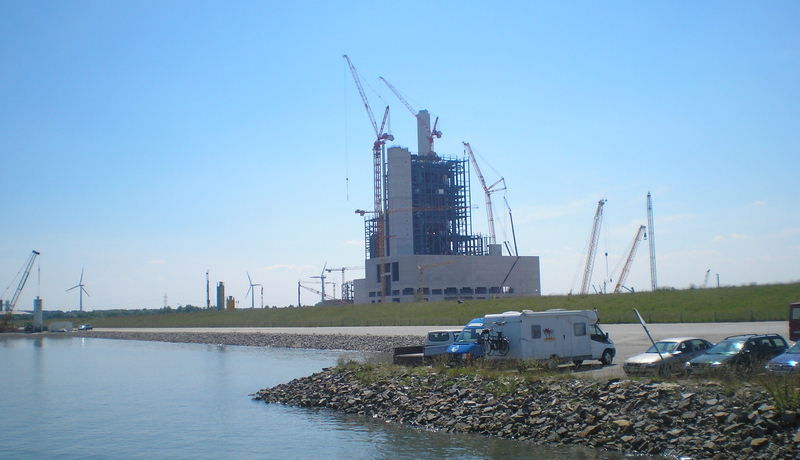
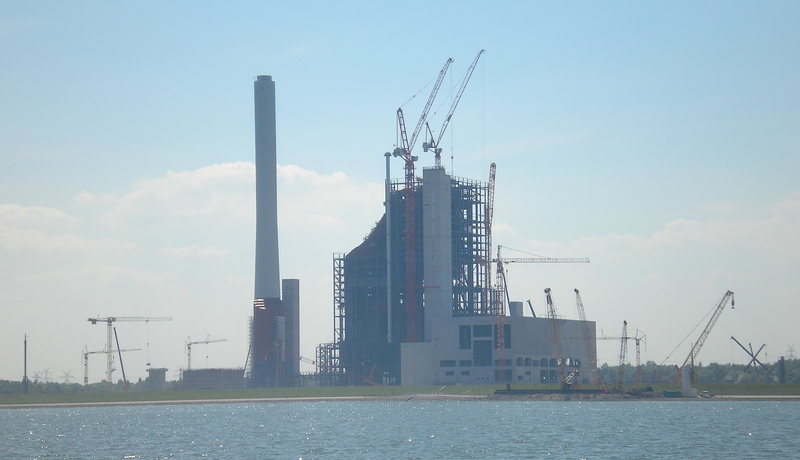
construction phase
measuring instruments
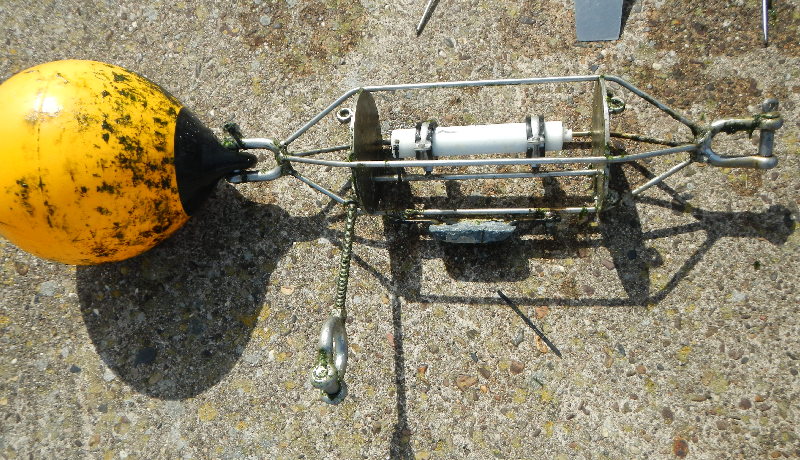
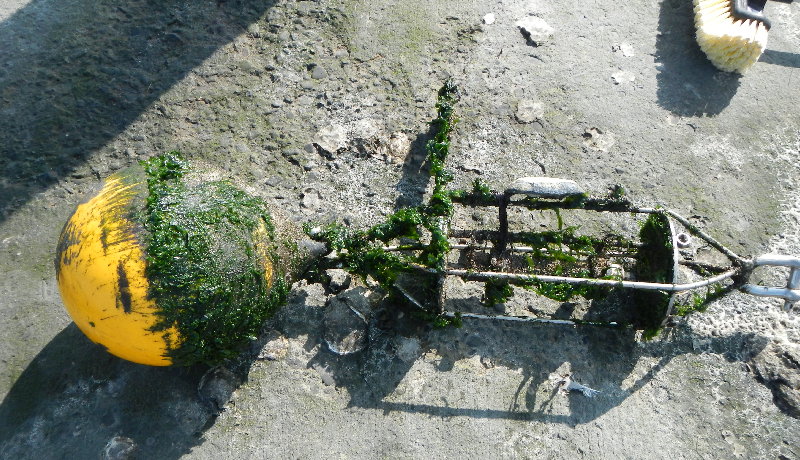
measuring positions
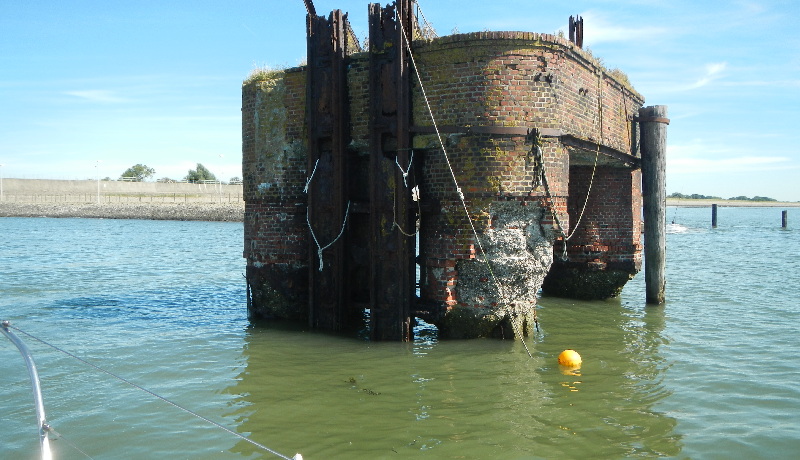
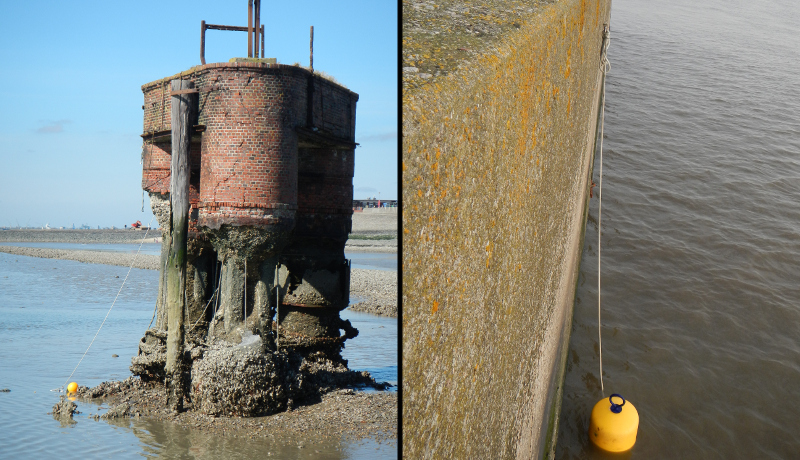
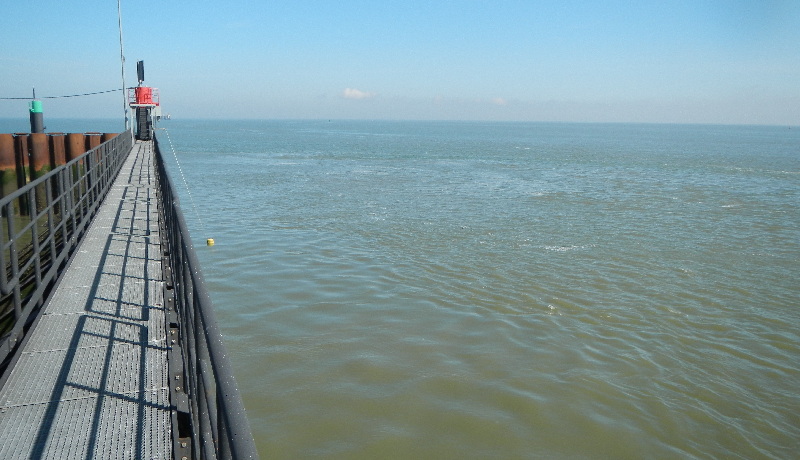
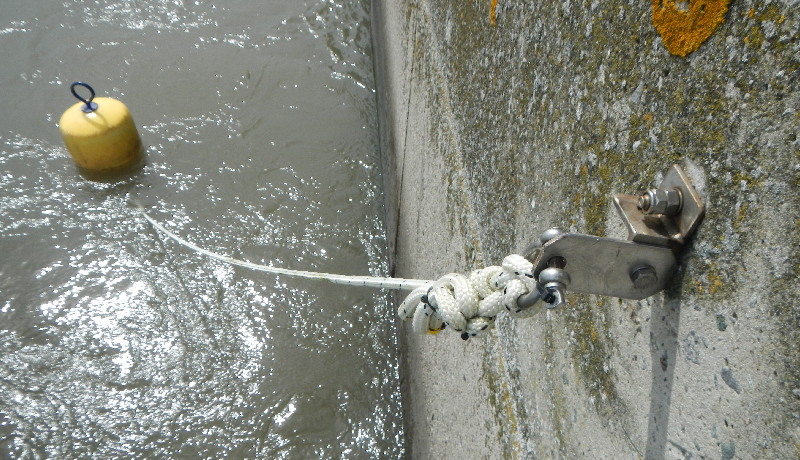
maintenance
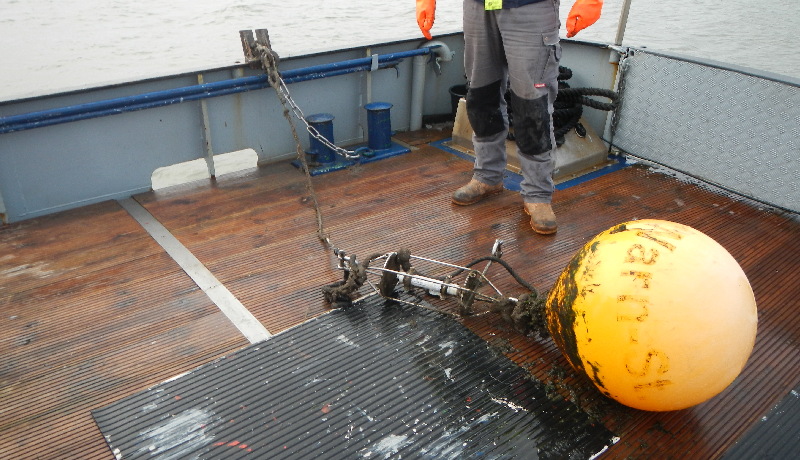
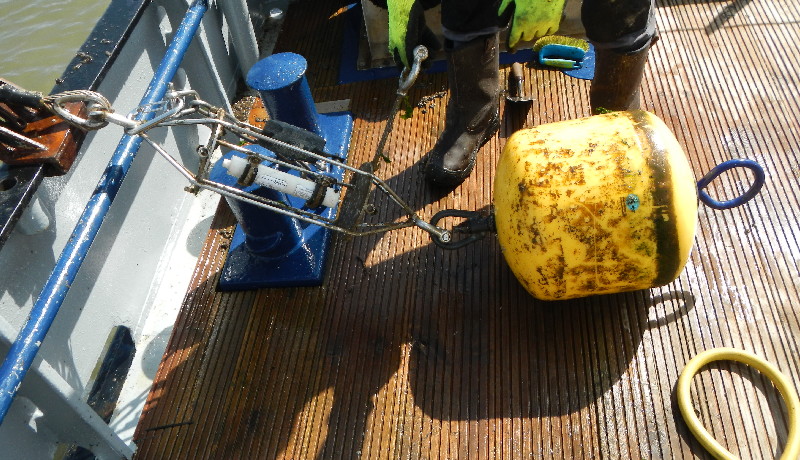
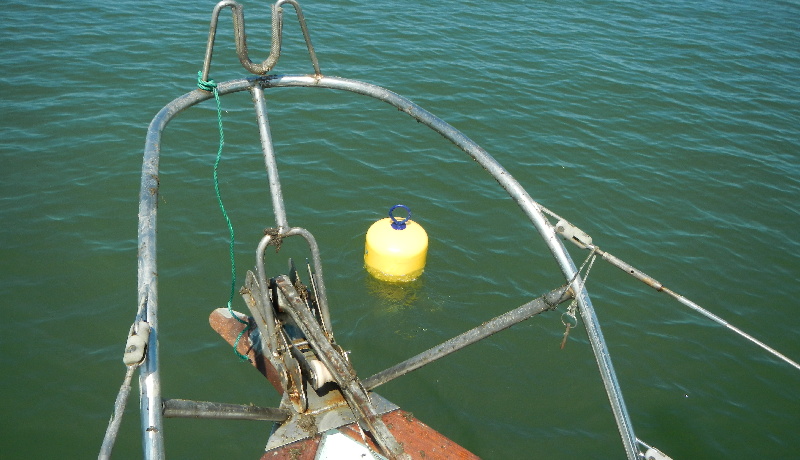
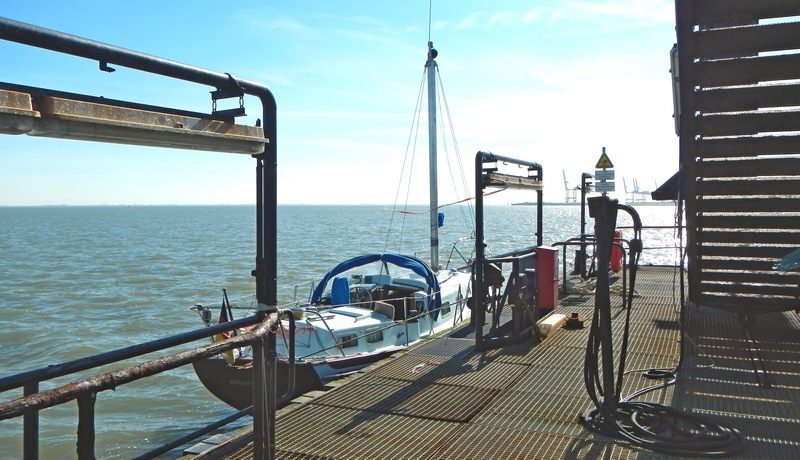
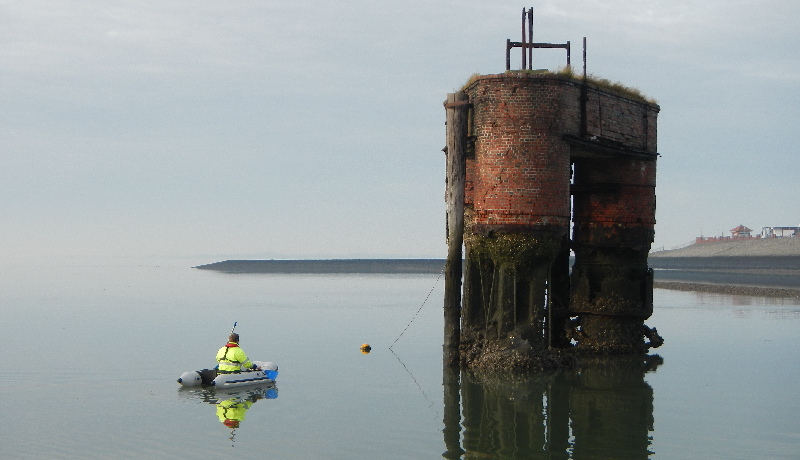
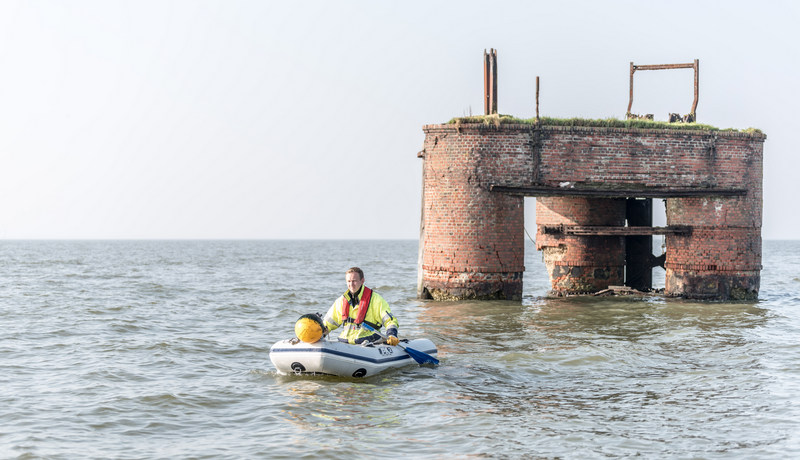
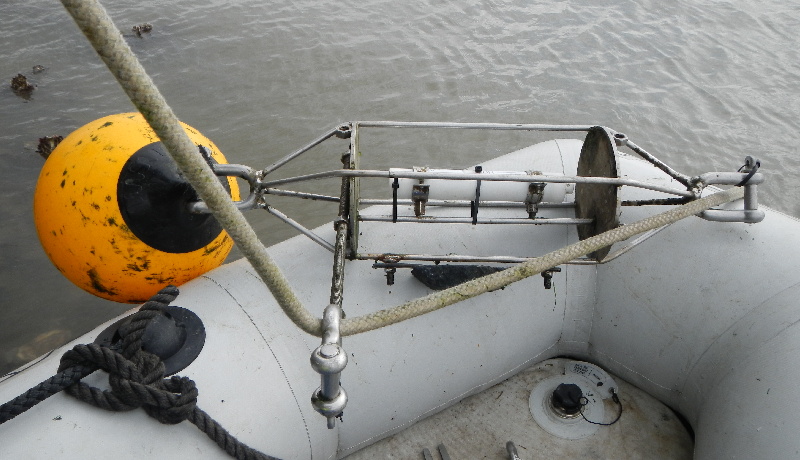
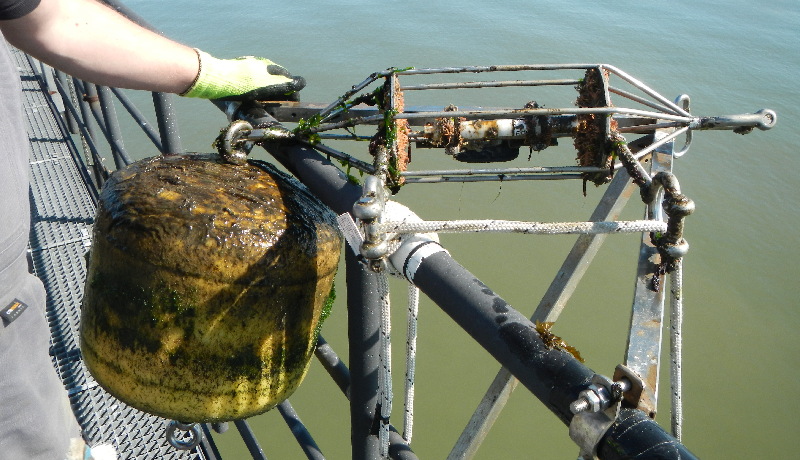
measuring campaigns for sediment
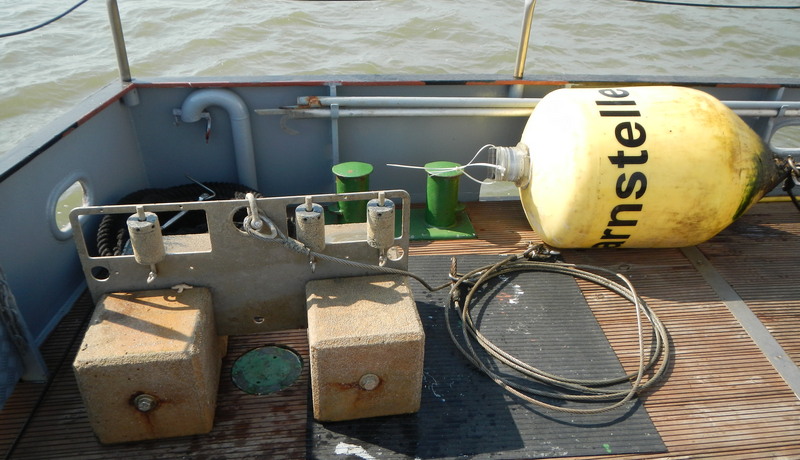
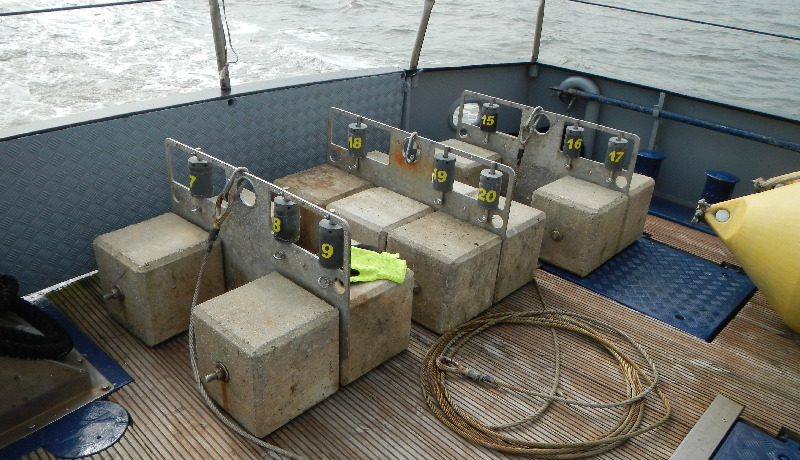
profile measurement
IMP KEY PROJECTS:
SUBMARINE CABLES OFFSHORE WIND FARMS
MEASUREMENT PROGRAM FEHMARN SOUND CROSSING
LNG IMPORT TERMINAL WILHELMSHAVEN