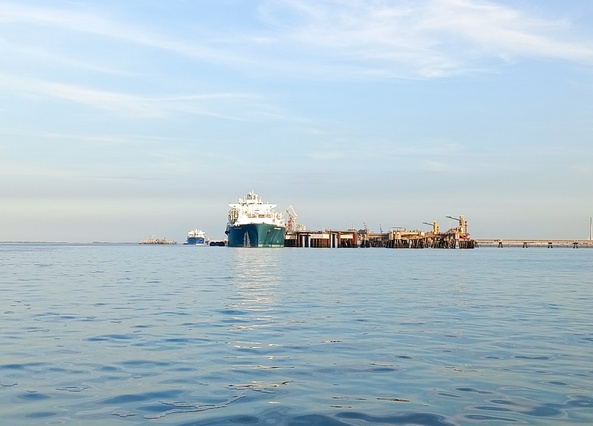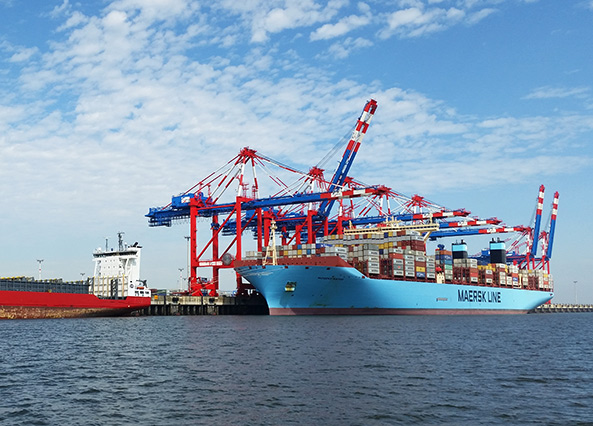


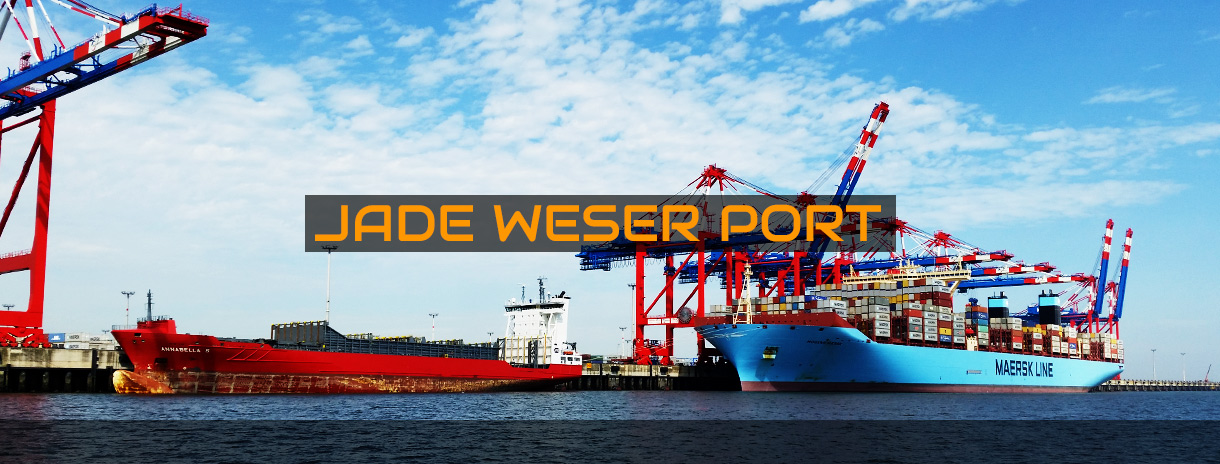
Documentation and updating of hydrological, hydrodynamic and morphological developments in the tidal regime of the Jade serving as a foundation both for planning and for preservation of maritime evidence for the construction of the JadeWeserPort
Time schedule:
- 2002 – 2003: Morphological preliminary surveys
- 2003 – 2005: Development of a modular preservation of evidence concept
- 2005 – 2008: Execution of reference measurements
- 2008 – 2012: Execution of measurements during the construction phase
- 2012 – 2018: Execution of measurements after commissioning
- 2019 – 2020: Evaluation of results
- 2020: Submission of final report
Client/Contact authority:
- JadeWeserPort Entwicklungsgesellschaft mbH & Co.KG
- JadeWeserPort Realisierungsgesellschaft mbH & Co.KG
- Container Terminal Wilhelmshaven JadeWeserPort – Marketing GmbH & Co.KG


For construction and operation of the container port of Wilhelmshaven, planning approval procedures under mining law as well as water law were conducted. For both procedures, insights into the long-term development of the water body in the area under planning are indispensable. IMP therefore processed and in part also digitized available sounding data in order to describe changes in underwater topography and to deduce longer-term development forecasts from these.
Beyond this, IMP was assigned with the development of a specific preservation of evidence program based on requirements and conditions from the planning approval decision which was to provide reliable contributions especially to the validation of numerical modelling results as well as for unsettled controversial issues. The preservation of evidence concept additionally was to enable a flexible adjustment of its scope.
After a Europe-wide tender, the contract for performance and evaluation of the preservation of maritime evidence program for the JadeWeserPort was awarded to IMP in 2005.
Since then IMP has performed and analysed extensive current and turbidity measurements both as long-time series and individual campaigns, processed soundings, analysed morphological developments and examined water levels.
The measurement series was initiated before starting construction of the new port and has been continued throughout the construction phase and into the operational phase in order to capture the lagged morphological response. The preservation of evidence measurements ended as a new equilibrium condition was reached. The gained database formed the evaluation basis for description and assessment of maritime impacts resulting from the construction. Beyond this, the intense focus of a preservation of evidence procedure often also contributes to a better understanding of the system in general.
The special requirements for evaluation of preservation of evidence measurements of this kind result from the fact that the area under planning cannot be regarded as static over such a long time period. In addition to long-term natural changes, impacts often appear due to further anthropogenic action in the observation area which can sometimes have cumulative effects on the preservation of evidence task.
The final comparison of the results from the preservation of evidence with the model forecasts for the JadeWeserPort was able to show as far as possible that the construction-related changes in water levels and currents were locally limited and remained within the forecasts. This can also apply to the turbidity, whose complex basic dynamics are dominant within the planning area and which, however, only clearly revealed development-related changes in the central shadow areas of the JadeWeserPort.
The construction-related morphodynamic changes could be differentiated into a direct intervention area and the field of action from the morphological caster. In addition to the intervention area, which covers the port facility, the access road and the fairway relocation, the structural-related changes that could be attributed were limited to the northern and southern shaded areas of the new port facility.
Thus, the preservation of evidence was able to prove that the construction measure only has local effects on the hydrodynamics and morphology of the jade and did not trigger any unexpected impacts outside the impact forecasts of the planning approval procedure.
views
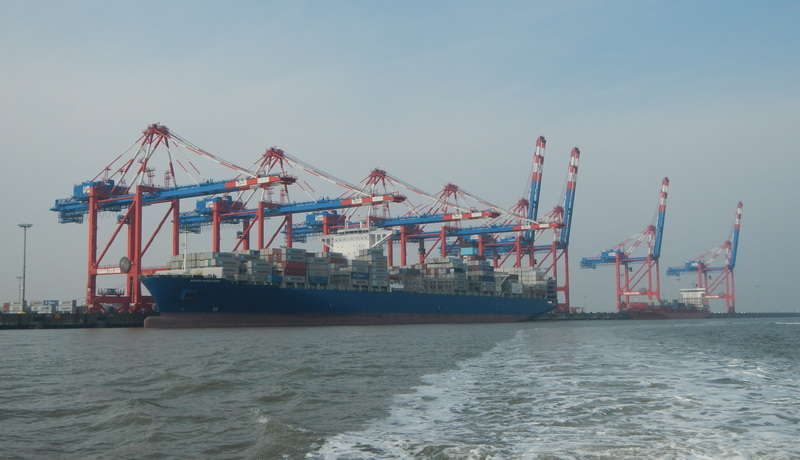
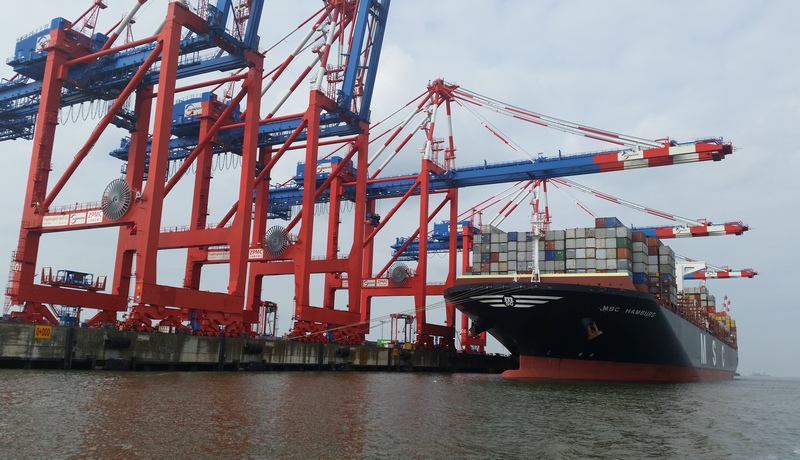
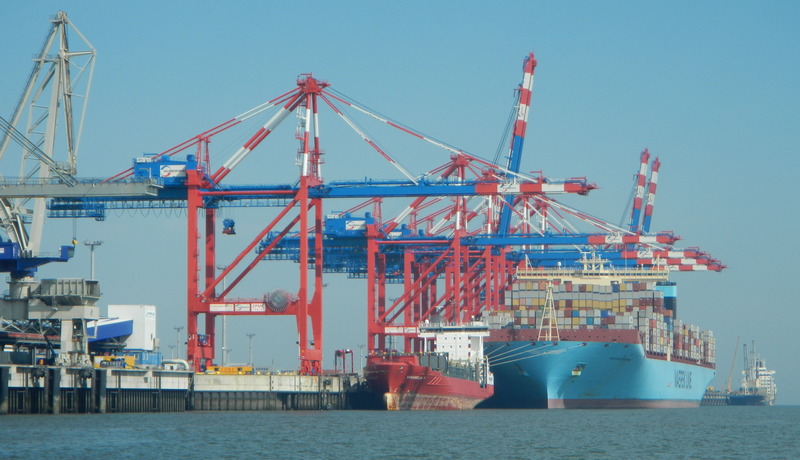
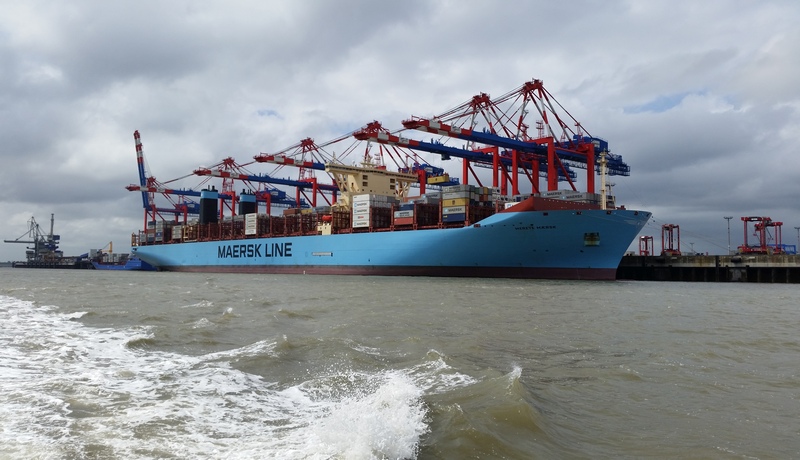
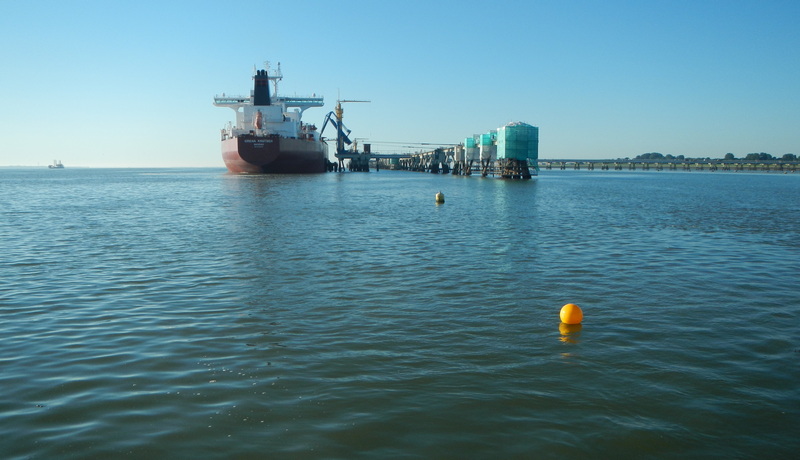
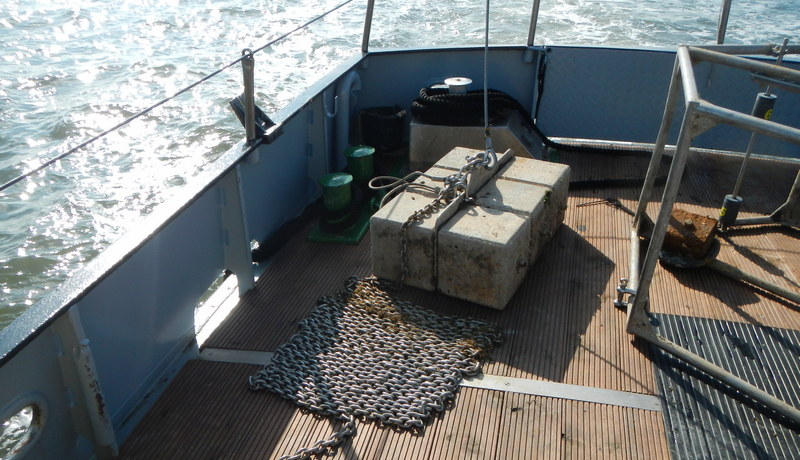
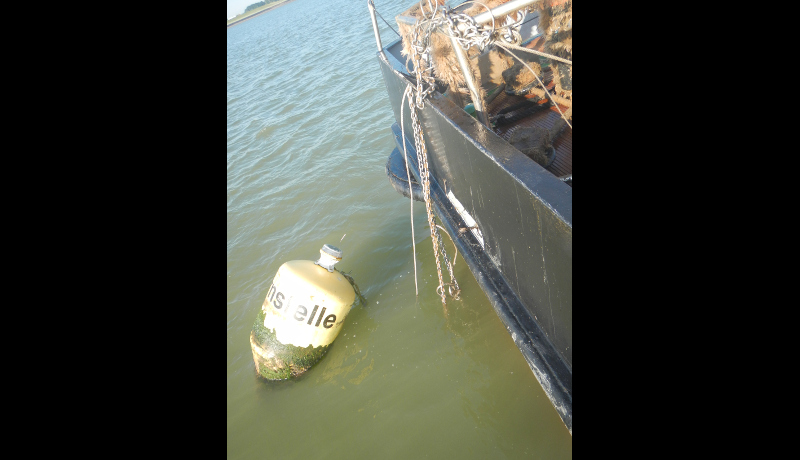
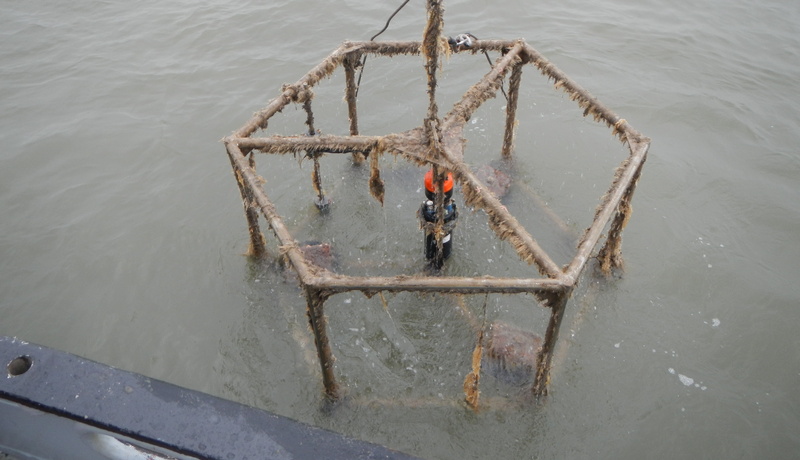
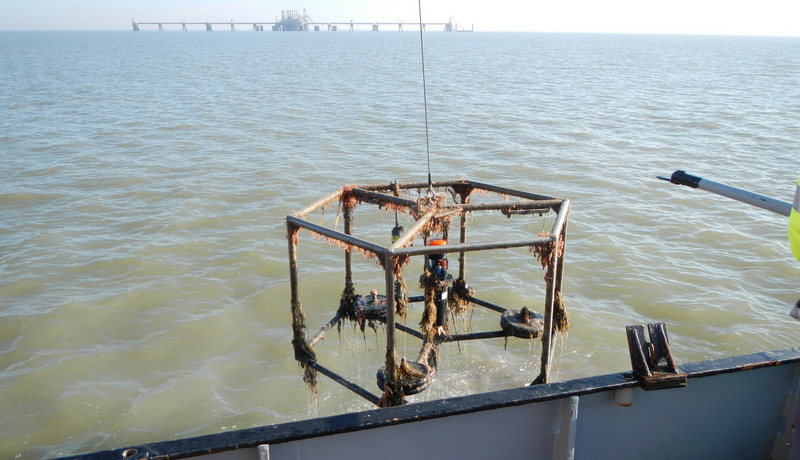
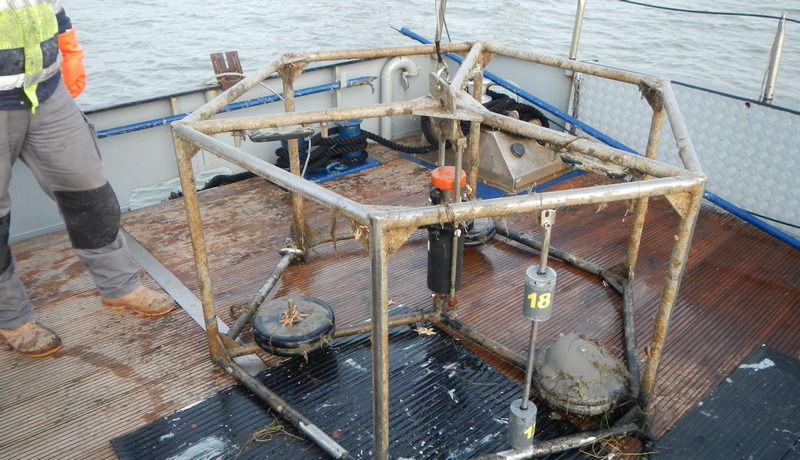
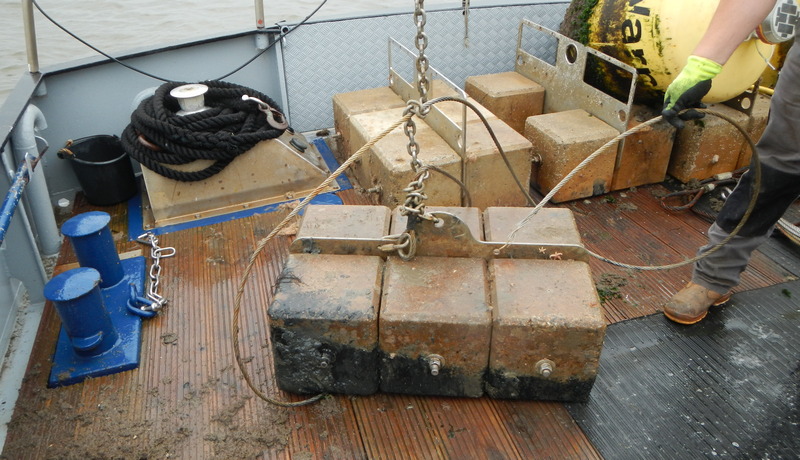
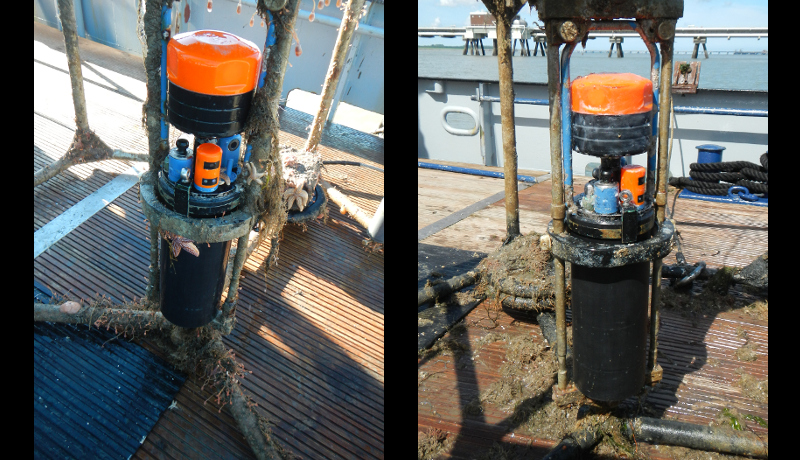
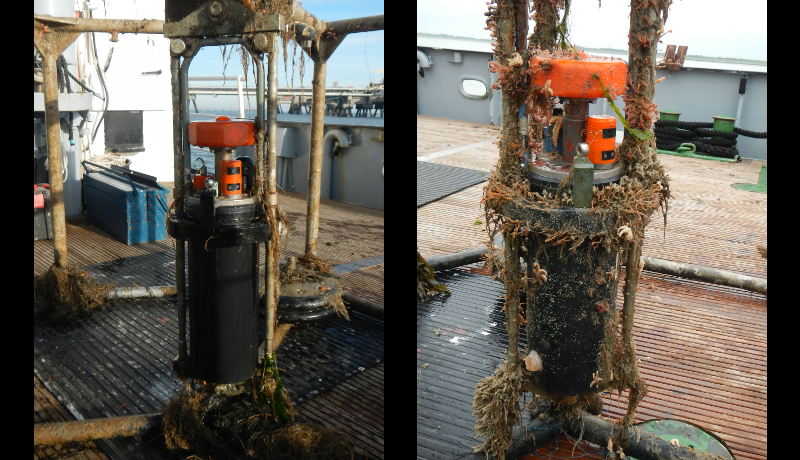
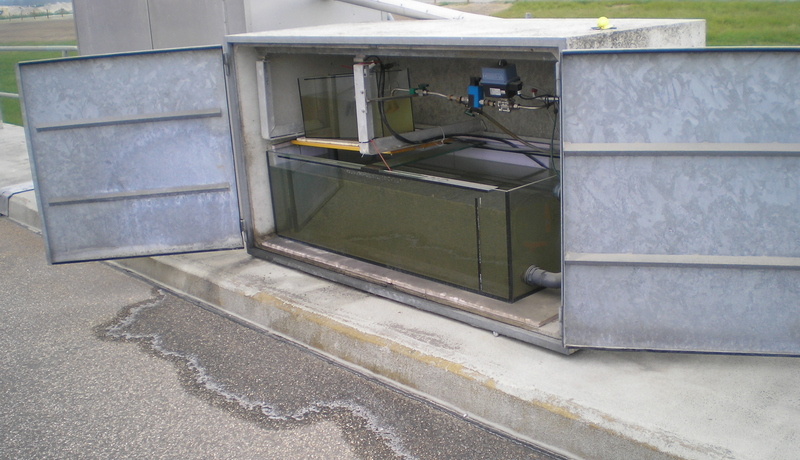
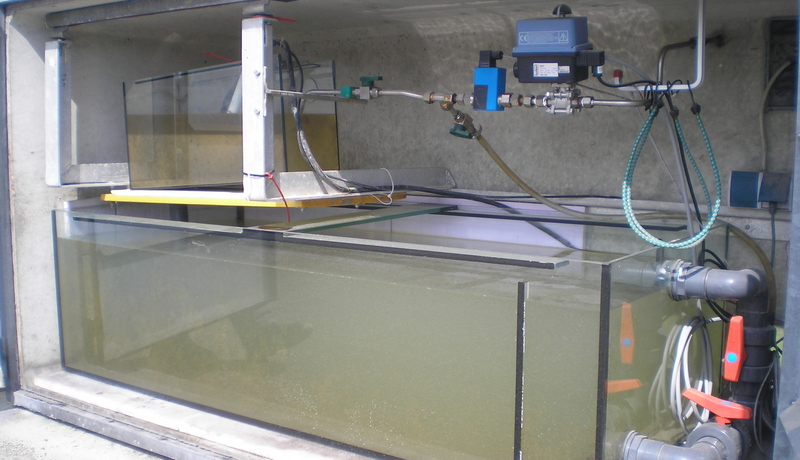
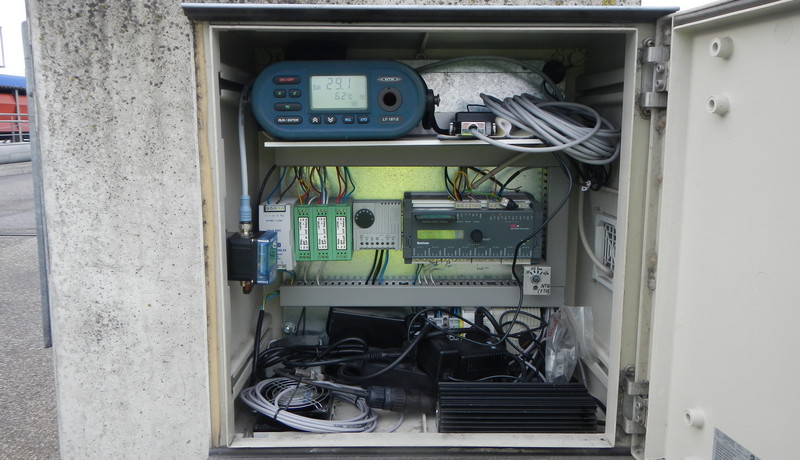
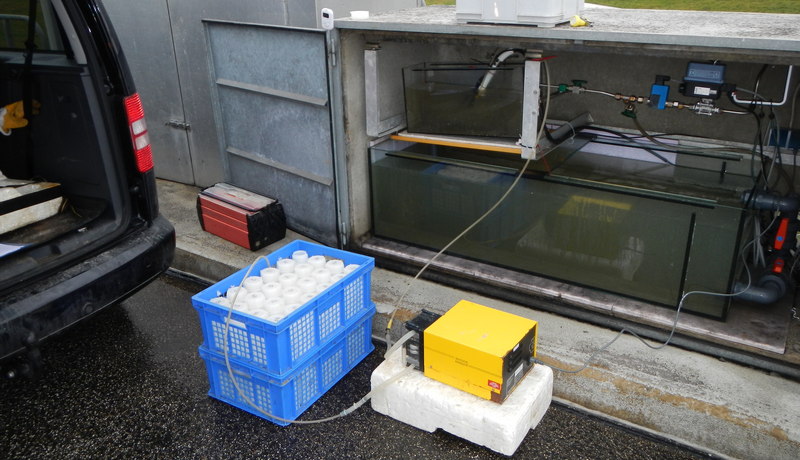
impressions of the measuring positions
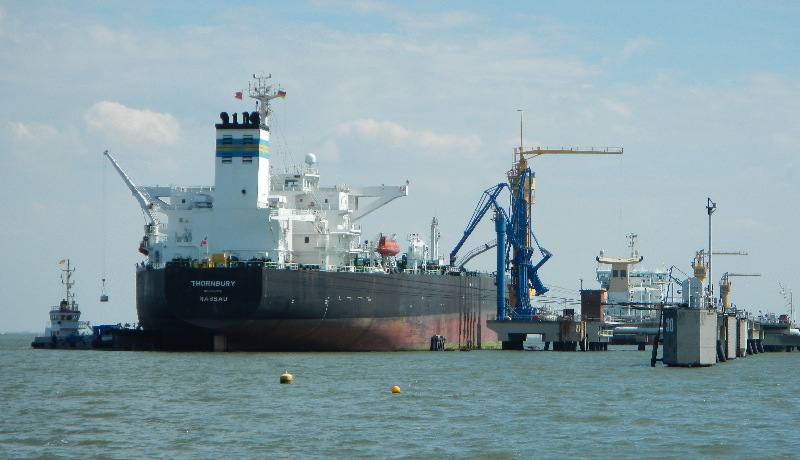
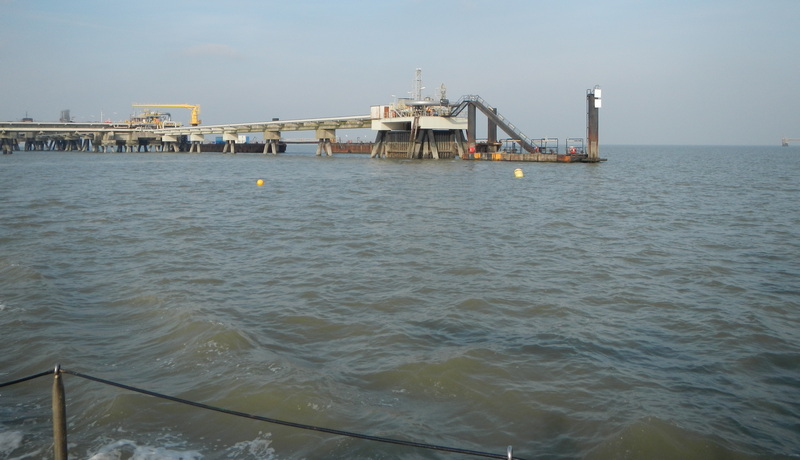
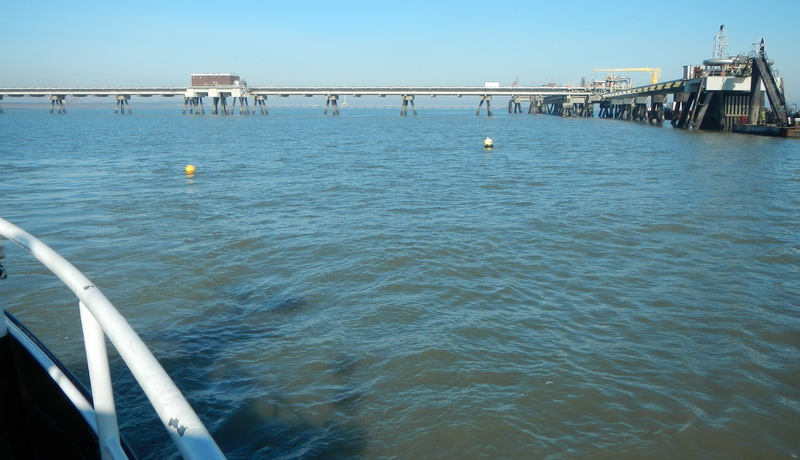
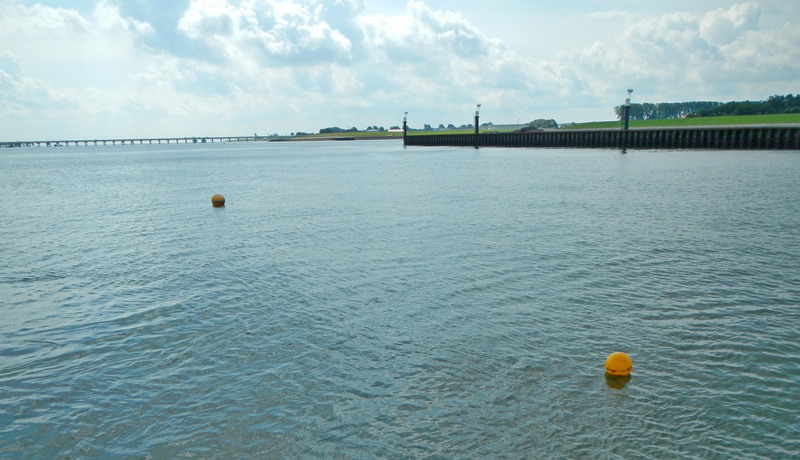
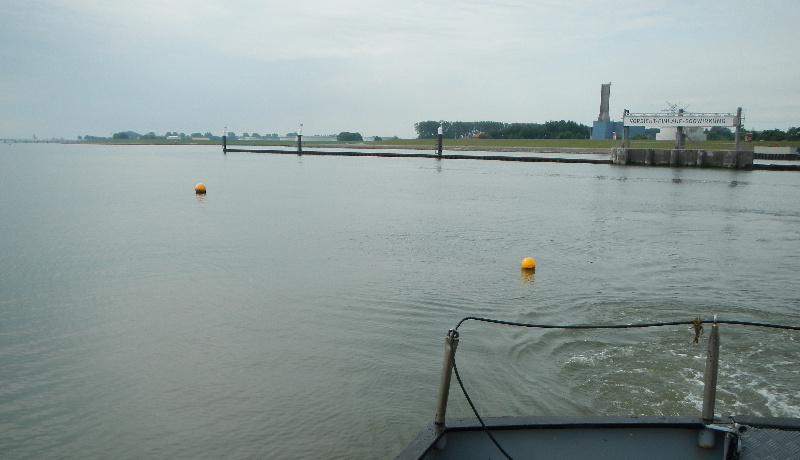
maintenance work at the long-term measuring positions
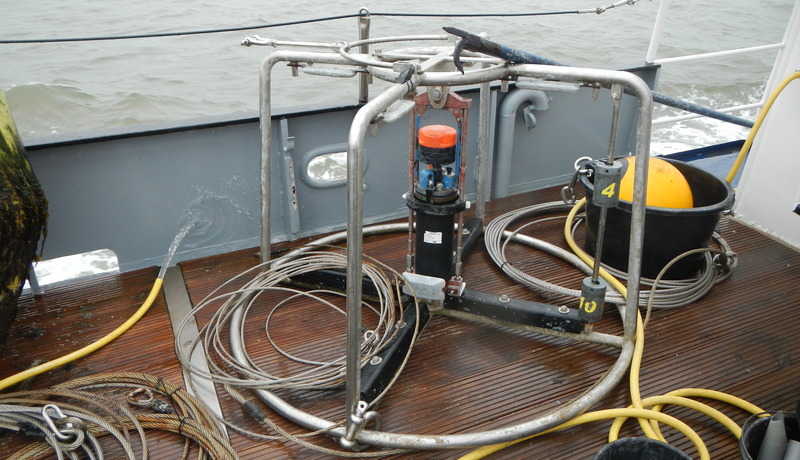

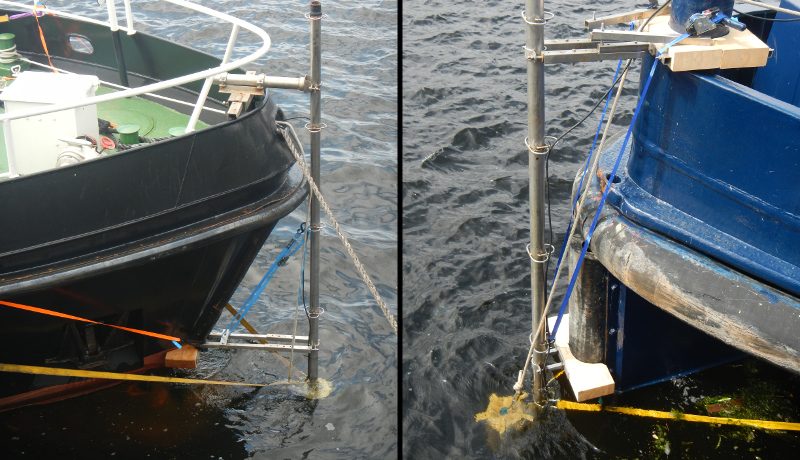
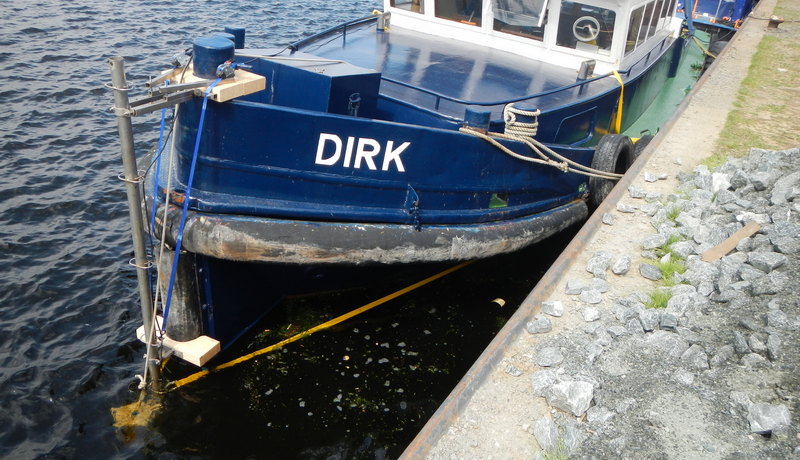
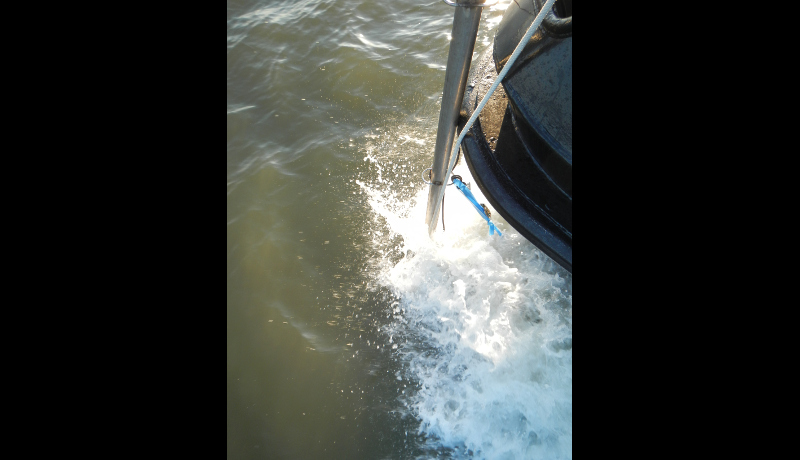
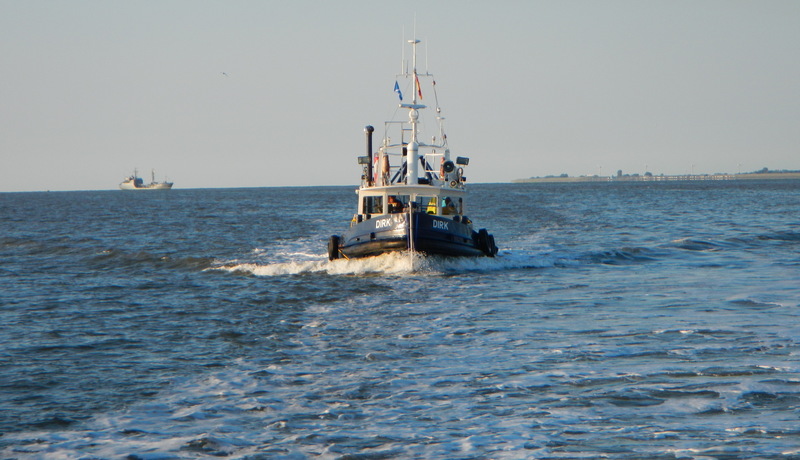
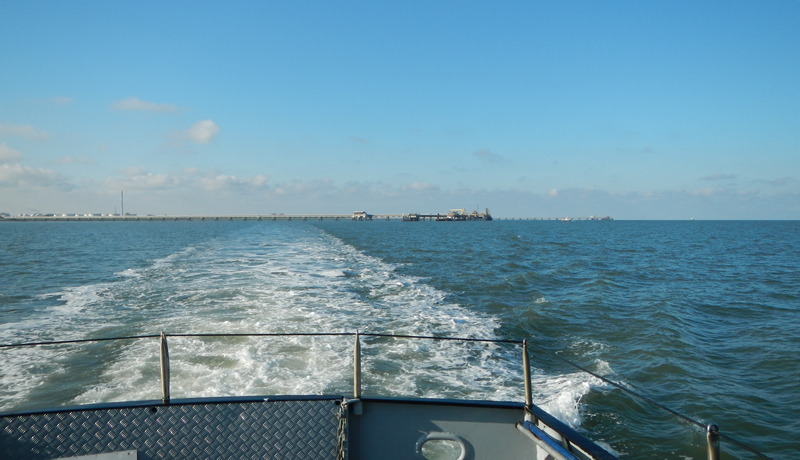
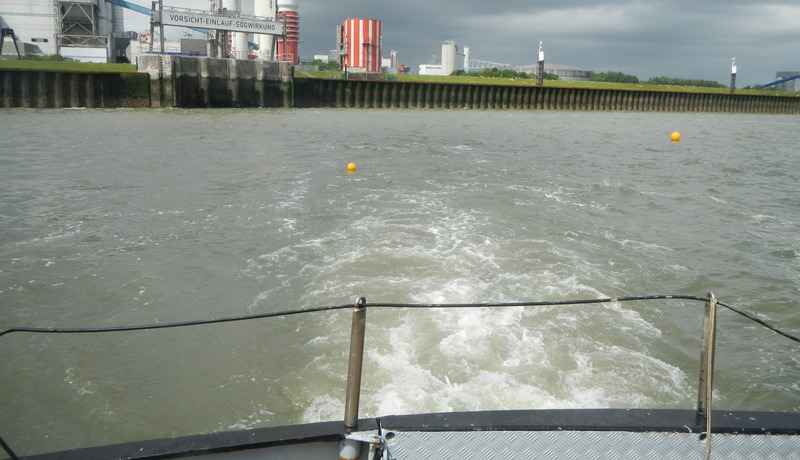
shipboard ADCP-Measurements
special measurement
IMP KEY PROJECTS:
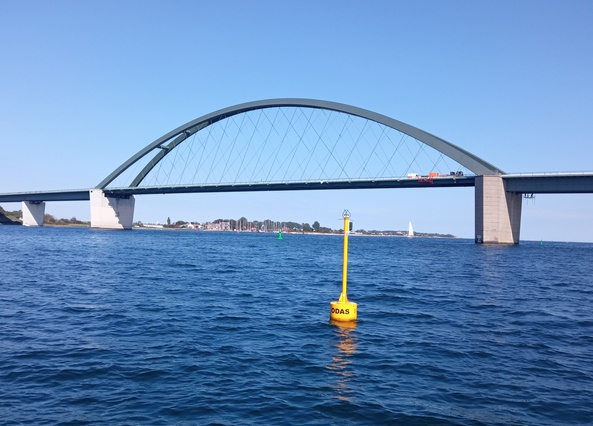
MEASUREMENT PROGRAM FEHMARN SOUND CROSSING